EPPO training Workshop on PRA
- Serbia (Belgrade)


EPPO is recruiting its Director-General (deadline 2026-11-30).
EUPHRESCO is recruiting its Coordinator (deadline 2026-11-02).
Release of the EPPO dynamic map of distribution of Agrilus planipennis.
Web report of the 19th Meeting of the Joint EPPO/IOBC Panel on Biological Control Agents (Ljubljana, 2026-10-13/15).
Web report of the 21st Meeting of the Expert Working Group on Resistance to Plant Protection Products (Paris, 2026-10-06/08).
The Calendar 2027 is online.
Web report of the 76th meeting of the Panel on Phytosanitary Measures (Parma, IT, 2026-10-6/8).
Web report of the 76th Session of the EPPO Council (Paris, 2026-09-22/24).
Web report of the 94th Meeting of the Panel on Global Phytosanitary Affairs (Riga, 2026-08-31/09-04).
The August issue of the EPPO Bulletin (issue 56-2) is now online.
The tenth newsletter of the EPPO Network of experts working on surveillance, monitoring, and control of the Emerald ash borer, Agrilus planipennis has been released.
Access earlier webreports
Tell us what you think about the EPPO Reporting Service!
|
|
|
|
Follow us on social media!
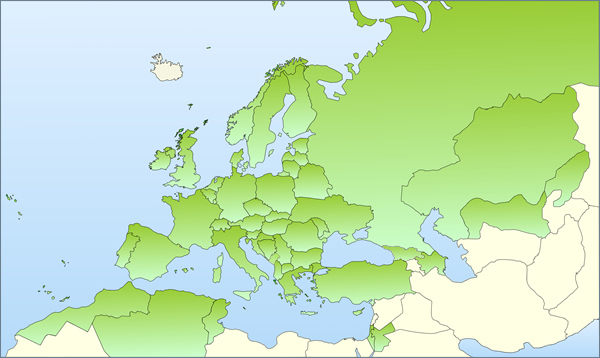
EPPO is an intergovernmental organization responsible for cooperation in plant health within the Euro-Mediterranean region. Founded in 1951 by 15 European countries, EPPO now has 52 members. Its objectives are to protect plants, by developing international strategies against the introduction and spread of pests which are a threat to agriculture, forestry and the environment, and by promoting safe and effective pest control methods. Following the terms of the International Plant Protection Convention (IPPC), EPPO is a Regional Plant Protection Organization and thus participates in global discussions on plant health. EPPO is a standard-setting organization which has produced a large number of Standards in the areas of plant protection products and plant quarantine. These Standards constitute recommendations that are addressed to the National Plant Protection Organizations of EPPO member countries. Finally, EPPO promotes the exchange of information between its member countries by maintaining information services and databases on plant pests, and by organizing many conferences and workshops.
read more

.png)
.png)
.jpg)