

The 31st meeting of the EPPO Panel on Quarantine Pests for Forestry
Tallinn, 2026-11-17/19
The EPPO Panel on Quarantine Pests for Forestry met in Tallinn for its 31st meeting. It was attended by experts from 22 EPPO countries and the European Commission as well as observers from the Forest Division of FAO and the NPPO of Estonia. Members of the Panel meet annually to discuss how risk assessment and management can help NPPOs of EPPO member countries in preventing the introduction and spread of quarantine pests of forest trees.
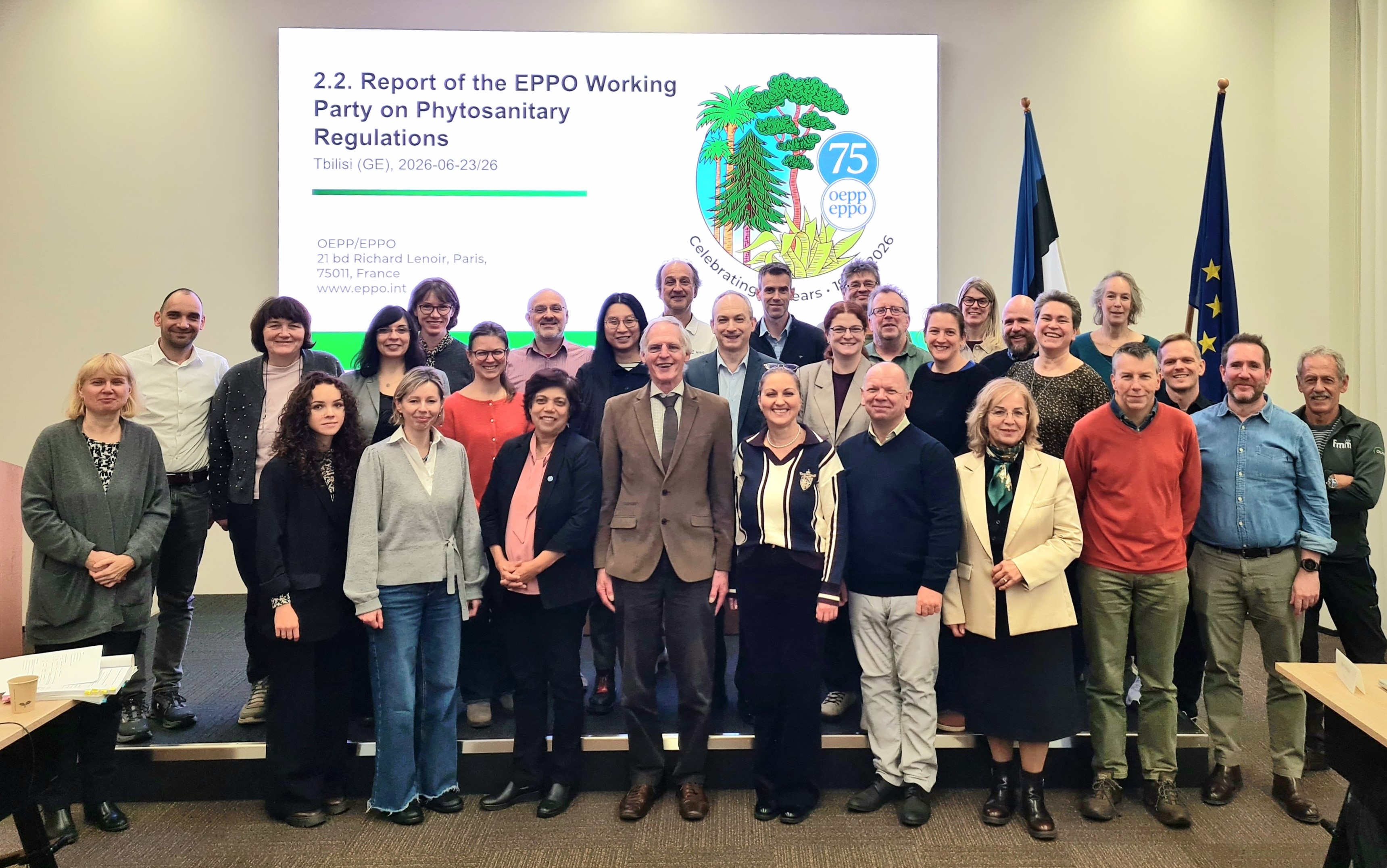
The Panel listened to several presentations on the emerald ash borer Agrilus planipennis and the pine wood nematode Bursaphelenchus xylophilus and discussed in detail the situation in the EPPO region with these two major forest pests. As a result of the discussion, the Panel proposed to plan revision of two EPPO Standards on procedures for official control these pests (PM 9/1 (6) Bursaphelenchus xylophilus and its vectors: procedures for official control and PM 9/14 (1) Agrilus planipennis: procedures for official control) in 2027–2028. Members of the Panel will also work in collaboration with the EPPO Panel on Phytosanitary Inspections on revision of two EPPO Standards of the series PM 3 Phytosanitary procedures (on inspection of wood packaging material and on inspection of round wood).
The Panel reviewed the draft EPPO PRA on myrtle rust Austropuccinia psidii (Basidiomycota: Pucciniomycotina) and was informed of recent EPPO PRA reports on the oriental moth Monema flavescens (Lepidoptera: Limacodidae) Xylotrechus chinensis (Coleoptera: Cerambycidae), and the banded fruit weevils Phlyctinus callosus and P. xerophilus (Coleoptera: Curculionidae). An update was provided on the development of a pathway tool which will be incorporated into the EPPO Global Database.
A Panel member from Poland updated the Panel on the situation with the fungus Davidsoniella virescens whose mycelium and spore-forming structures were found on cross sections of logs and branches of Fagus sylvatica in Poland in 2018 and 2021. This species is an A1 quarantine pest for the EU and for some non-EU EPPO countries. The Panel decided to propose inclusion of this pest in the EPPO Alert List.
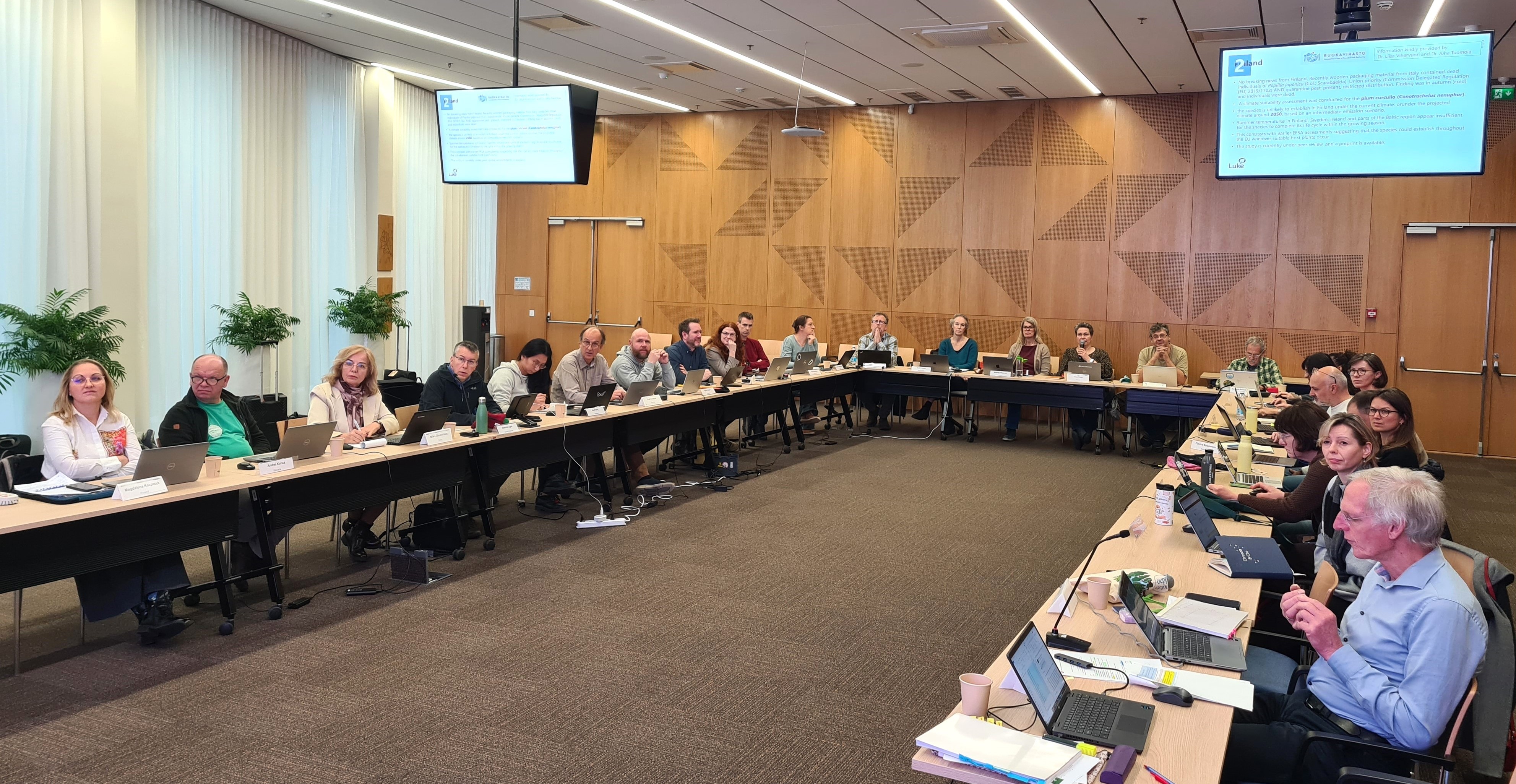
The Panel was updated on recent activities of the FAO Forestry Division (Forest Health and Protection), the European Commission (Plant Health) and EFSA in the field of control of forestry pests.
The Panel discussed a draft specification for a Standard on production of healthy forest reproductive material in nurseries which was prepared by a sub-group of the Panel. This specification will be presented for approval to the EPPO Working Party on Phytosanitary Regulations in June 2027.
An update was given on the recent Conference ‘Safeguarding Forests in Europe: Emerging Risks of Agrilus Wood Borers (Buprestidae)’ organized by EPPO, REUFIS-FAO, and BFW in Vienna in April 2026, the European projects EABRACE (Emerald Ash Borer invasion: exploring spread patterns and beetle biodiversity dynamics for strategic conservation measures) and FORSAID (Forest surveillance with artificial intelligence and digital technologies funded by the European Commission under Grant Agreement # 101134200). In the latter, EPPO participates as a partner, and FORSAID supports the EPPO Network of experts working on the surveillance, monitoring, and control of Agrilus planipennis and development of the dynamic map of spread of this pest.
Members of the Panel provided reports on the situation with regulated forestry pests in their countries. The Panel also discussed organization of a Workshop on implementation of ISPM 15 in the EPPO region which is planned for 2028 and established an Organizing Committee.
The NPPO of Estonia organized a technical visit to Thermory AS, one of the world’s leading manufacturers of thermally modified wood.
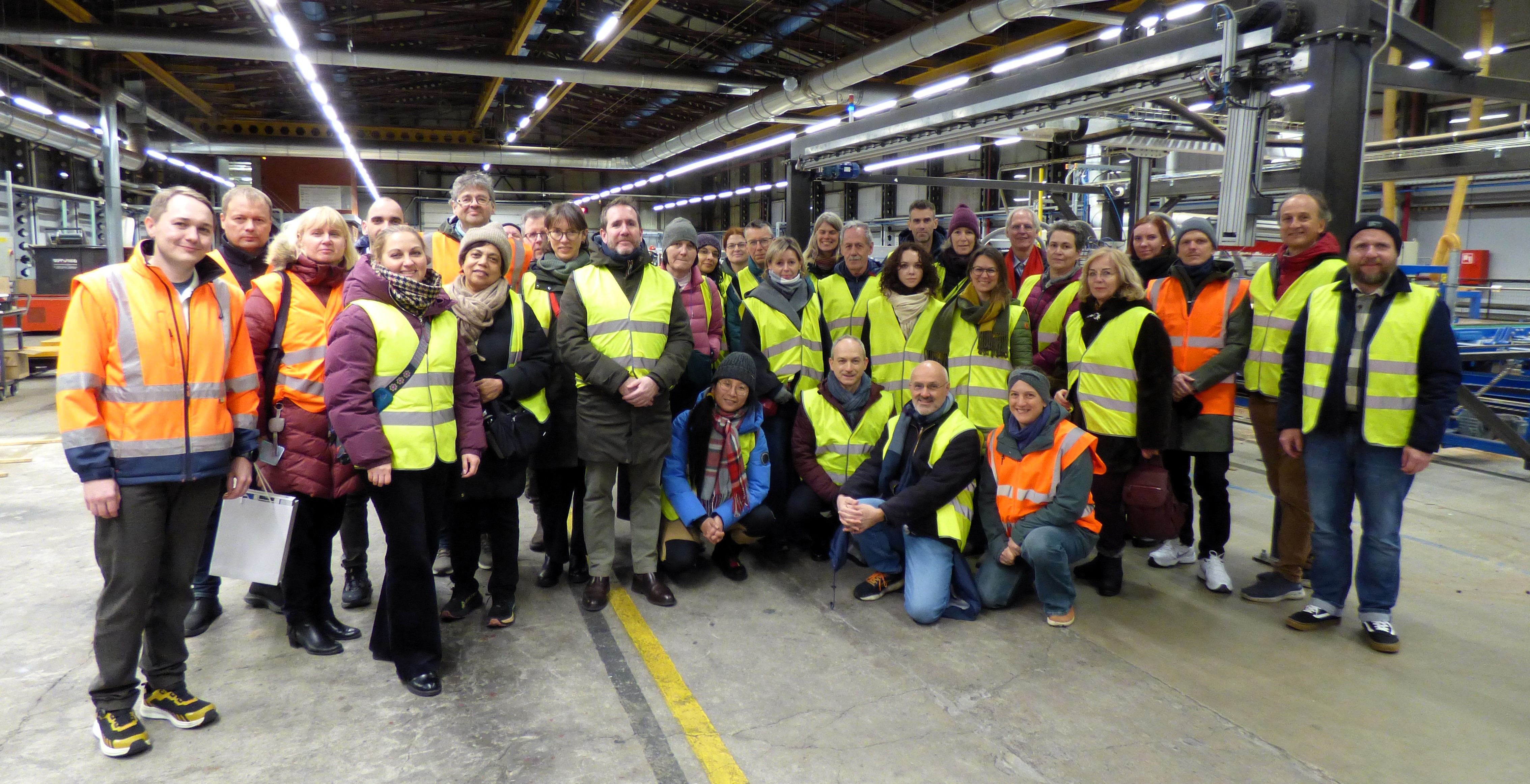
EPPO thanks the Ministry of Regional Affairs and Agriculture of the Republic of Estonia and the Estonian Agriculture and Food Board for hosting this meeting.
The next meeting of the Panel will take place in Utrecht (the Netherlands) on 6–8 October 2027 and will be combined with a Joint meeting with the EPPO Panel of Phytosanitary Measures. Such an arrangement will promote further harmonization of the approaches used by these two EPPO Panels.