

64th Meeting of the Working Party on Phytosanitary Regulations
Tbilisi, 2026-06-23/26
The 64th meeting of the Working Party on Phytosanitary Regulations took place in Tbilisi, on 2026-06-23/26. Mr Lasha Avaliani, Deputy Minister of Environmental Protection and Agriculture of Georgia opened the meeting; together with Mr Giorgi Iakobashvili and Mr Zurab Lipartia, respectively Head and Deputy Head of the National Food Agency. The meeting was attended by 19 participants from 14 EPPO member countries, as well as by a representative of the European Commission. The Working Party on Phytosanitary Regulations oversees the technical work of many EPPO Panels related to plant health. A summary of the different Panel meetings and Workshops which took place since the last meeting was presented to the Working Party (short summaries of these meetings are posted on the EPPO website). The Working Party discussed new and revised EPPO Standards, the EPPO work programme for 2027, and made several recommendations that will be presented to the EPPO Council.
A technical visit was arranged to LEPL Scientific-Research Center of Agriculture in Jighaura where participants visited the grapevine collection and a wine museum. Participants were also invited to attend the opening of the World Food Safety Day in Ilia Garden (Tbilisi).
EPPO expresses its thanks to the Georgian NPPO for hosting the meeting.
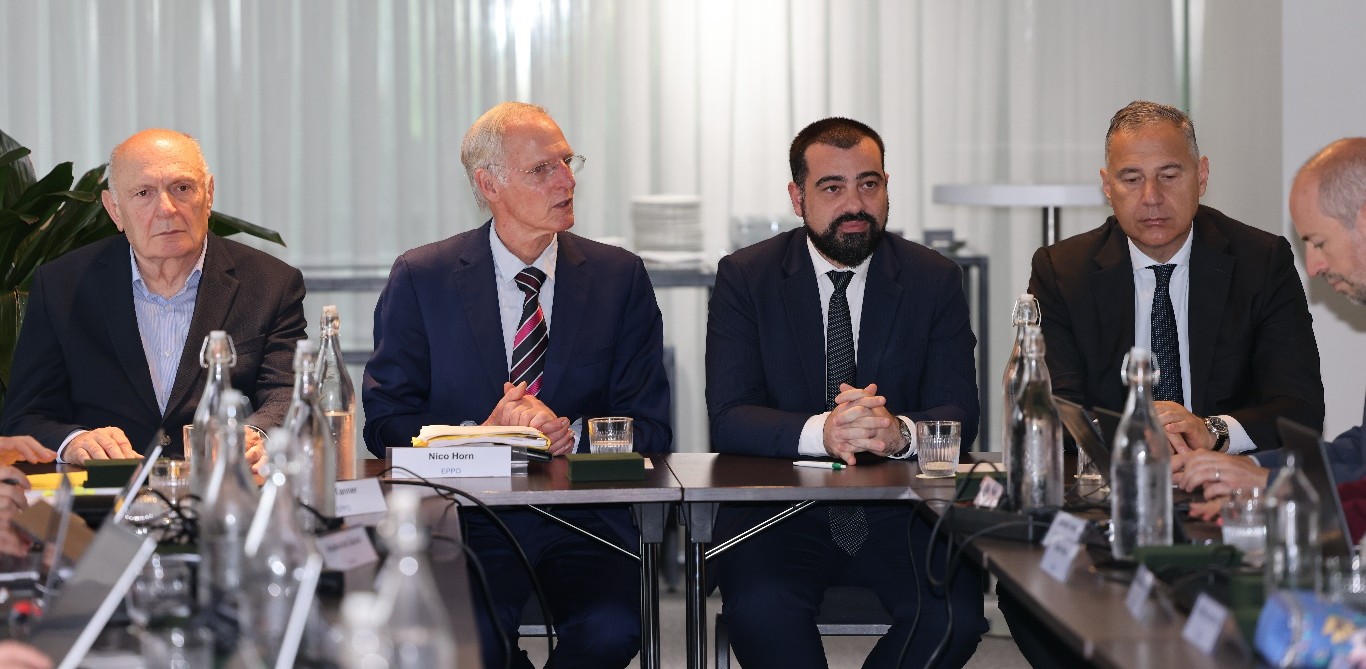
Opening of the 64th Working Party on Phytosanitary Regulations
New and revised EPPO recommendations and Standards
The Working Party recommended that 5 new pests (including an invasive alien plant) should be added to EPPO Lists of pests recommended for regulation as quarantine pests: Clavibacter nebraskensis, Litylenchus crenatae (beech leaf disease), Harringtonia lauricola (laurel wilt) and its vector Xyleborus glabratus to the EPPO A1 List of pests absent from the EPPO region; Senecio angulatus (plant) to the EPPO A2 List of pests present in the region. For each pest, phytosanitary measures are recommended in a Pest Risk Analysis (PRA) document which will be made available via the EPPO PRA platform.
The PRA for Potexvirus citriflavivenae (Citrus yellow vein clearing virus, CYVCV) was put on hold for one year pending the availability of new information from Italy and Spain. The draft PRA and additional information will be shared with NPPOs in the meantime.
The Working Party agreed with the recommendation not to add Pseudips mexicanus and Euzophera semifuneralis to EPPO A2 List.
The Working Party recommended that Cacoecimorpha pronubana and strawberry latent C virus (STLCV) should be removed from EPPO A1/A2 Lists. These two pests were used as pilots to test the new delisting procedure.
Ten new and revised Standards were recommended to the Council for adoption:
Phytosanitary Procedures (series PM 3)
- PM 3/72 (3) General guidelines common to inspection of places of production and consignments (revision)
- PM 3/73 (2) Compliance procedures for consignments of Fragaria plants for planting (revision)
- PM 3/NEW Post-entry quarantine for Vitis
Production of healthy plants for planting (Series PM 4)
- PM 4/17 (4) Certification scheme for olive trees and rootstocks
Diagnostic protocols for regulated pests (series PM 7)
- PM 7/129(3) DNA barcoding as an identification tool for a number of regulated pests (Generic Guidelines)
- PM 7/NEW DNA barcoding as an identification tool for a number of regulated arthropods
- PM 7/NEW DNA barcoding as an identification tool for a number of regulated bacteria
- PM 7/NEW DNA barcoding as an identification tool for a number of regulated fungi and oomycetes
- PM 7/NEW DNA barcoding as an identification tool for a number of regulated invasive alien plant species
- PM 7/NEW DNA barcoding as an identification tool for a number of regulated nematodes
Considering the recommendation of the Panel on Diagnostics in Virology, the Working Party agreed not to proceed with approval of the Standard PM 7/NEW DNA barcoding as an identification tool for a number of regulated phytoplasmas.
National regulatory control systems (series PM 9)
- PM 9/NEW Zizania latifolia
The Working Party also noted the adoption of the following Diagnostic Protocols (series PM 7) approved since its last meeting according to the specific fast-track procedure:
- PM 7/38 Unaspis citri
- PM 7/52 Diaphorina citri
- PM 7/NEW Xanthomonas phaseoli pv. phaseoli and Xanthomonas citri pv. fuscans
- PM 7/NEW Emaravirus rosae (rose rosette virus)
- PM 7/113 Potexvirus pepini (Pepino mosaic virus)
- PM 7/NEW Tobamovirus maculatessellati (tomato mottle mosaic virus)
The Working Party recommended the following Standard to be withdrawn:
- PM 3/34(1) Barley stripe mosaic Hordeivirus

Group photo of participants at the 64th Working Party on Phytosanitary Regulations
Diagnostics
The EPPO Secretariat presented an update on the activities of the diagnostic Panels since the last meeting of the Working Party, and the outputs of the EPPO Conference on diagnostics of plant pests. The Working Party was informed about the multiannual diagnostic work programme and reviewed the procedure for setting the diagnostic multiannual work programme and identifying priorities. The Working Party agreed on the development of new or revised pest-specific Diagnostic Standards for 2026. The Working Party was also updated on the diagnostic databases EPPO database on diagnostic expertise and EPPO-Q-bank.
Phytosanitary risks and measures
The EPPO Secretariat presented an update on the activities of the Phytosanitary risks and measures. The Working Party agreed that an Expert Working Groups (EWG) for PRA should be organized for one invasive alien plant; Leucaena leucocephala. In addition, PRA EWGs will be organised for at least two additional pests. Priorities were, in order of importance, vascular streak dieback, Amrasca biguttula and Lagria villosa. The pests Pyricularia oryzae Triticum lineage (wheat blast), as well as Elsinoë australis and E. fawcettii, were identified as priorities for PRA reports based on national or EFSA PRAs and other documents. The Working Party agreed with the adjustments to the new process for delisting pests from the EPPO A1 or A2 Lists.
Biological control agents
The Working Party agreed with the Panel’s proposal to add two biological control agents to the EPPO Standard PM 6/3 Biological control agents safely used in the EPPO region: Stenopelmus rufinasus to Appendix 1- Commercially or officially used biological control agents, and Trichilogaster acaciaelongifoliae to Appendix 2 – Classical biological control agents successfully established in the EPPO region. The Working Party was updated on the development of a platform to share information on biological control agents.
Information services
An update was given on the ongoing work of the information services including EPPO Global Database, the EPPO platform on communication material, the EPPO Platform on PRAs, and EPPO Codes. Activities performed for the 75th Anniversary of EPPO were highlighted. Priorities for the development of new and revised datasheets on plant pests (including invasive plants) were presented to the Working Party. The Working Party was informed of the additions made to the Alert List since the last meeting. The Alert List draws the attention of EPPO member countries to pests possibly presenting a risk to plants in the EPPO region, in order to achieve early warning. The Working Party also agreed on a proposal for a pilot of the pathway tool in EPPO Global Database.
Plant Health Links in the EPPO Region
The Working Party was informed about work being conducted at the IPPC level, including the regional workshop and technical consultations among RPPOs. Updates were presented on Plant Health matters for the European Commission. A revised EPPO procedure for nomination of experts in IPPC bodies was presented and changes were made to clarify the procedure. It was noted there is an open call for the EPPO Jens-Georg Unger Plant Health Fellowship for international co-operation in plant health.
Projects
The Working Party was updated on Euphresco’s activities, in particular the project EUPHRESCO III ´Strengthening phytosanitary research programming and collaboration: from European to global phytosanitary research coordination´ (2023-2026). The EPPO Secretariat provided an update on the RNQP Project part 2 which assessed the RNQP status of pests mainly from the EU fruit marketing Directives. The Working Party endorsed recommendations of the Project. Involvement of EPPO in two new Projects, PhytoPRISM and SupportVITIS was highlighted.
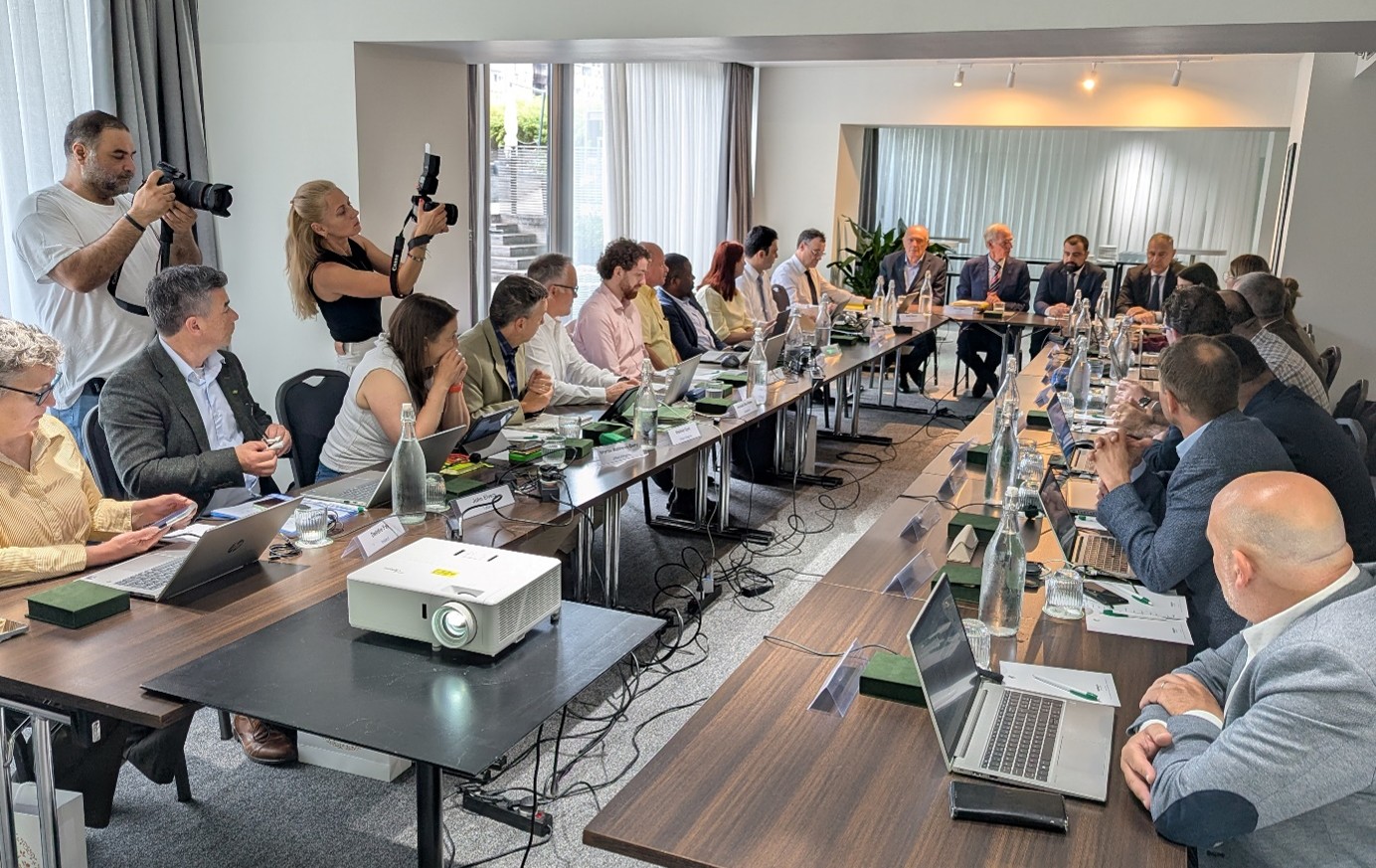
Meeting of the 64th Working Party on Phytosanitary Regulations
Other topics
New EPPO Strategic Framework 2026-2030 was presented, and its implementation was discussed with the Working Party. The draft Work Programme 2027 was discussed and changes were made. This Programme will be presented to Council for approval.
The 65th meeting of the Working Party on Phytosanitary Regulations will be held on 2027/06/22-25 in Tallinn.